

 Minaam Jamil
 Mar 11, 2026
Jump To Section
To understand how to know if you have polycystic ovaries, you must first distinguish between PCO and PCOS. Polycystic Ovaries (PCO) is a structural observation where an ultrasound shows numerous follicles, while polycystic ovary syndrome symptoms and signs indicate a broader metabolic condition.
Essentially, PCO is a physical trait of the ovaries, whereas polycystic ovary disease symptoms involve a systemic hormonal imbalance affecting your entire body.
Spotting the first signs of PCOS early is vital for your long-term health. Beyond a quick signs of PCOS quiz, look for persistent PCOS symptoms like irregular periods, acne, or thinning hair.
Recognizing these signs of polycystic ovaries and polycystic ovary syndrome symptoms early allows you to manage the condition before it leads to insulin resistance or fertility issues. Tracking these signs of PCOS now ensures you can take proactive control of your hormonal wellness.
PCOS is usually diagnosed when a person shows two of the following three indicators: irregular or missing menstrual cycles, elevated androgen (male hormone) levels that may cause symptoms like acne or excess facial and body hair, or the presence of multiple small cysts on the ovaries seen during an ultrasound.
Other commonly associated signs can include difficulty managing weight, thinning scalp hair, and darker skin patches in body folds such as the neck or underarms. A healthcare professional typically confirms PCOS through medical evaluation, which may include hormone blood tests and pelvic ultrasound imaging.
To understand how to know if you have polycystic ovaries, it helps to look at the biology. Normally, your ovaries house follicles, which are small, fluid-filled sacs that each contain an immature egg. In a typical menstrual cycle, one of these follicles becomes dominant, matures, and releases an egg during ovulation.
This process is driven by a delicate balance of hormones that signal the body when to prepare for a potential pregnancy.
Polycystic ovaries occur when this maturation process is interrupted. Instead of one egg being released, several small follicles (often 12 or more) begin to grow but fail to reach full maturity.
These “cysts” are actually just underdeveloped follicles that become trapped in the ovary. When you observe signs of polycystic ovaries on an ultrasound, they often appear like a “string of pearls” around the edge of the ovary.
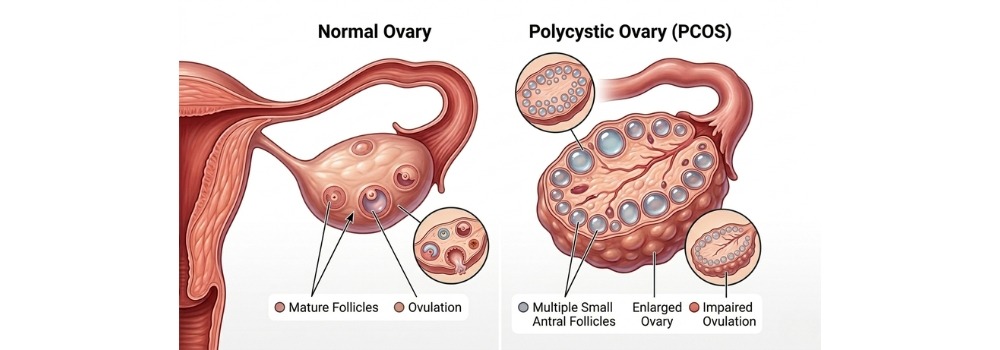
This lack of regular ovulation is why many seek a signs of PCOS quiz or look for what the first signs of PCOS are. When follicles don’t release eggs, it can trigger pcos symptoms, signs like irregular periods or hormonal shifts.
While having these follicles is a key part of polycystic ovary syndrome symptoms and signs, it’s important to remember that the follicles themselves aren’t painful or dangerous; they are simply a physical indicator of an underlying hormonal imbalance.
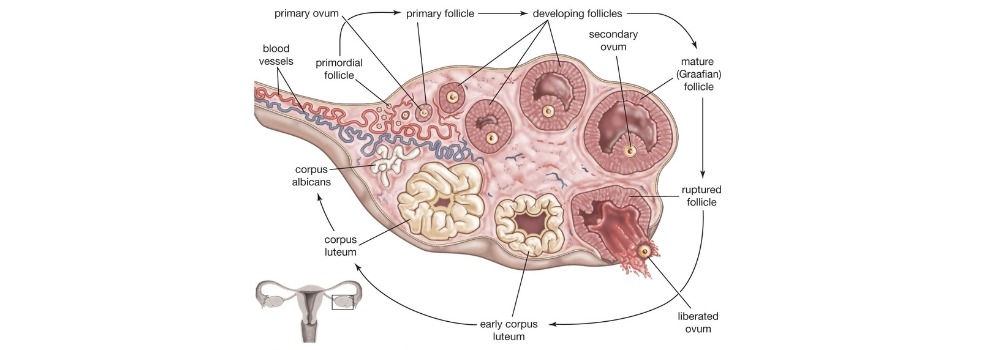
Understanding these common symptoms can help you identify PCOS early and take steps toward better hormonal health.
One of the most frequent indicators of polycystic ovaries is a disruption in the natural menstrual cycle. This often manifests as cycles that last longer than 35 days or having fewer than eight periods in a single year.
You may also notice significant fluctuations in flow, ranging from very light spotting to unusually heavy bleeding, which occurs because the uterine lining builds up for a longer period when ovulation is delayed.
Because polycystic ovaries are defined by follicles that fail to mature and release an egg, irregular ovulation (or a total lack of it) becomes a common barrier to conception.
The “cysts” seen on an ultrasound are actually these stalled follicles; when they don’t release an egg, the hormonal surge needed to trigger pregnancy cannot occur. This biological interruption is a leading factor in fertility challenges related to ovarian function.
While polycystic ovaries themselves are not always painful, some individuals experience a persistent sense of mild pelvic pressure or a “heavy” feeling in the lower abdomen. It is important to distinguish this dull discomfort from sharp or sudden pain.
If the pain becomes intense or is accompanied by fever, it may indicate a different medical issue, such as a ruptured functional cyst or pelvic inflammatory disease, rather than the small, inactive follicles typical of polycystic ovaries.
Women with PCOS may experience a range of physical and hormonal changes that impact overall well-being.
Many individuals with the broader syndrome experience hirsutism, which is the growth of coarse, dark hair in areas where it is typically seen in men, such as the face, chest, or back. This occurs when the ovaries produce an excess of androgens, often referred to as “male-pattern” hormones.
While having polycystic ovaries on an ultrasound simply describes the appearance of the organ, the presence of hirsutism indicates a functional hormonal shift affecting the entire body.
Hair thinning or excessive hair shedding can be one of the distressing PCOS hair Loss treatment many women experience. Hormonal imbalance, particularly elevated androgen levels, can weaken hair follicles and lead to noticeable thinning on the scalp, especially around the crown or hairline.
Identifying these symptoms early is important, as proper PCOS Hair Loss Treatment can help manage hormone levels, strengthen hair follicles, and support healthier hair growth over time.
Persistent acne that continues well into adulthood or appears suddenly can be a sign of the underlying hormonal imbalances associated with PCOS. Higher-than-normal androgen levels stimulate the sebaceous glands, leading to an overproduction of oil.
This frequently results in breakouts along the jawline, chest, and upper back, which may be resistant to standard over-the-counter skin treatments. In such cases, seeking a PCOS acne treatment plan can help address the hormonal root cause and improve long-term skin health.
While body hair may increase, some individuals notice a decrease in the thickness of the hair on their head. This condition, known as androgenetic alopecia, typically presents as thinning at the crown or a widening of the part.
It is driven by the same hormonal triggers that cause other PCOS symptoms, where the hair follicles on the scalp react to elevated testosterone levels by shrinking and producing finer, shorter hairs.
Difficulty losing weight or rapid weight gain, particularly around the midsection, is a common metabolic symptom. This is often linked to insulin resistance, a condition where the body’s cells do not respond effectively to insulin, leading to higher blood sugar levels and increased fat storage.
Because insulin also stimulates the ovaries to produce more androgens, weight management and hormonal balance are deeply interconnected.
Acanthosis nigricans refers to areas of dark, velvety skin that typically develop in body folds and creases, such as the neck, armpits, or groin. These patches are a physical sign of high insulin levels in the bloodstream.
Recognizing these skin changes is essential, as they often serve as an external indicator of internal metabolic struggles that go beyond the presence of follicles on the ovaries.
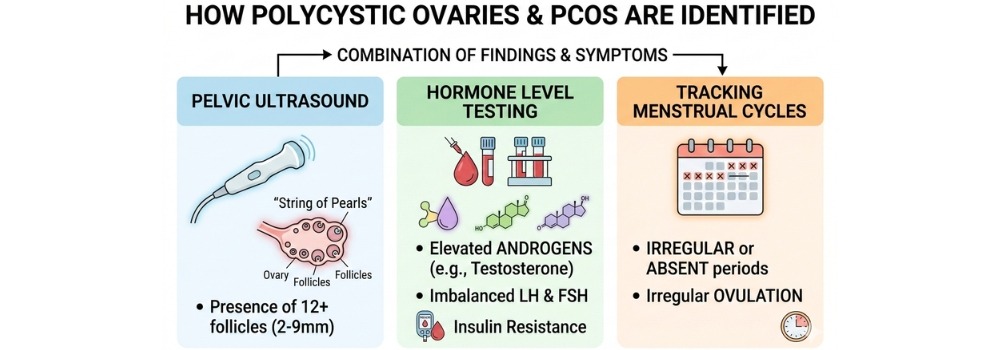
To find out how to know if you have polycystic ovaries, doctors typically use a combination of diagnostic tools rather than a single test. A pelvic ultrasound is the gold standard for visualizing the ovaries, allowing a technician to count the follicles and measure ovarian volume.
If the scan shows a “string of pearls” appearance, it is one of the classic signs of polycystic ovaries. However, imaging is usually paired with hormone level testing to check for elevated androgens or insulin resistance, which are core pcos symptoms and signs.
Beyond clinical tests, tracking your menstrual cycle patterns provides essential data for your provider. Irregular or skipped cycles are often among the what are the first signs of PCOS that lead to further investigation.
A formal diagnosis of polycystic ovary syndrome symptoms, signs, or polycystic ovary disease symptoms, signs, is confirmed when at least two out of three criteria are met: irregular periods, high androgen levels, or polycystic ovaries on a scan.
This multi-layered approach ensures that polycystic ovary syndrome symptoms and signs are accurately identified and managed.
One of the most common drivers of polycystic ovary syndrome symptoms and signs is insulin resistance. When your body doesn’t process insulin efficiently, levels rise, often triggering the ovaries to produce excess androgens (male-type hormones).
This shift can stop ovulation and is frequently behind what are the first signs of PCOS, such as weight gain or difficulty managing blood sugar.
Inflammation is another key factor in determining if you have polycystic ovaries. Chronic, low-grade inflammation can stimulate polycystic ovaries to produce more androgens, which disrupts the normal follicular cycle.
If you notice PCOS symptoms or signs like persistent fatigue or skin issues, your body may be reacting to this underlying inflammatory response.
Hormonal shifts, specifically high levels of luteinizing hormone (LH) or androgens, are primary signs of polycystic ovaries. These imbalances are often hereditary, as polycystic ovary disease symptoms tend to run in families.
If your close relatives have experienced irregular cycles, you may have a genetic predisposition to these polycystic ovary syndrome symptoms and signs.
Your environment and daily habits also impact how signs of PCOS manifest. High-stress levels, poor sleep, and certain dietary patterns can exacerbate hormonal fluctuations.
While you can’t change your DNA, managing these lifestyle factors is a powerful way to mitigate PCOS symptoms and regain balance.
If you’re wondering how to know if you have polycystic ovaries and manage them, blood sugar is the best place to start. Focusing on whole foods and high-fiber vegetables helps prevent insulin spikes that trigger signs of PCOS.
By including protein with every meal and reducing refined carbs, you can stabilize your energy and minimize common PCOS symptoms, signs like sugar cravings and weight gain.
Encouraging regular cycles is a core part of managing polycystic ovary syndrome symptoms and signs.
A consistent sleep schedule and gentle daily movement, such as walking or yoga, help regulate the hormones responsible for egg release. Reducing stress through mindfulness also lowers cortisol, which can otherwise mask what are the first signs of PCOS by disrupting your natural rhythm.
Chronic inflammation often worsens the signs of polycystic ovaries and related discomfort. Incorporating anti-inflammatory, omega-rich foods like flaxseeds and walnuts helps calm the body’s immune response.
By limiting processed foods, you address the underlying triggers of polycystic ovary disease symptoms, allowing your endocrine system to function more efficiently.
Maintaining a healthy weight is often recommended for those with polycystic ovary syndrome symptoms, but the approach matters. Instead of extreme dieting, focus on a sustainable calorie balance and strength training to boost your metabolism.
This steady approach helps alleviate PCOS symptoms without the hormonal stress that often comes from restrictive “crash” diets.
If your menstrual cycles have stopped for three months or longer, it is time to consult a specialist. This absence is one of the most common signs of PCOS and suggests your body isn’t ovulating regularly.
A doctor can help determine how to know if you have polycystic ovaries through targeted blood work to check your hormonal profile.
While many pcos symptoms and signs are metabolic, structural issues can also arise. If you experience severe pelvic pain or have significant difficulty conceiving, these could be signs of polycystic ovaries or related conditions like endometriosis.
Recognizing these what are the first signs of PCOS early allows you to access fertility support and pain management before polycystic ovary syndrome symptoms impact your quality of life.
Seeking professional help is the only way to move past the signs of PCOS quiz and get a clinical answer. A physician will look for polycystic ovary disease symptoms and signs through a physical exam and imaging.
By identifying polycystic ovary syndrome symptoms and signs early, you can create a personalized plan to balance your hormones and protect your long-term health.
When exploring holistic paths for ovarian syndrome treatment, it is essential to consult professionals who understand both endocrine function and natural lifestyle interventions. While your primary physician or gynecologist remains vital for formal diagnosis and monitoring, you might seek out practitioners such as specialized nutritionists, naturopaths, or functional medicine experts who prioritize root-cause resolution.
Whether you are looking for personalized dietary guidance in cities like Calgary or seeking a dedicated resource like Natural Healing Haven, finding expert support can provide the comprehensive, science-backed guidance you need to balance your hormones, improve your vitality, and take confident steps toward long-term wellness.
Early awareness is the most powerful tool you have when it comes to understanding your body’s unique signals. While learning how to know if you have polycystic ovaries might feel overwhelming, remember that these PCOS symptoms and signs are highly manageable with the right plan.
By adopting consistent lifestyle changes from nourishing whole foods to stress-reducing movement, you can significantly improve your hormonal balance and long-term health. Most importantly, always listen to your body; it knows when something is off, and honoring that intuition is the first step toward reclaiming your vitality and feeling your best again.
Checking for PCOS typically involves a combination of medical assessments. Your doctor will likely review your medical history, perform a physical exam to check for physical signs of PCOS, and conduct a pelvic ultrasound to look for polycystic ovaries. Additionally, blood tests are standard to measure androgen levels and glucose markers, confirming the presence of polycystic ovary disease symptoms signs that point toward a clinical diagnosis.
PCOS does not have official stages. One of the earliest signs of Polycystic Ovary Syndrome is disruption in the normal hormonal cycle, which often leads to menstrual irregularity, such as irregular, missed, or absent periods. If your cycle becomes unpredictable, it may be an early indication of PCOS, and tracking your menstrual patterns and consulting a healthcare provider is recommended.
While pcos symptoms signs can vary, the most commonly reported five include: (1) irregular or absent menstrual cycles, (2) excess androgen levels leading to acne or excess body hair, (3) weight gain or difficulty losing weight, (4) thinning scalp hair, and (5) the presence of multiple follicles on the ovaries. Recognizing these polycystic ovary syndrome symptoms signs is essential for early intervention.
To see if you have PCOS, start by monitoring your body for persistent pcos symptoms signs like cycle changes, skin flare-ups, or fatigue. While a signs of PCOS quiz might offer general guidance, it cannot provide a medical diagnosis. The only way to know for sure is to schedule an appointment with a professional to discuss your concerns and request the appropriate diagnostic testing.
For many women, the journey begins with subtle shifts. Many report that their first signs of Polycystic Ovary Syndrome include menstrual irregularity, such as irregular, missed, or very heavy periods, along with stubborn weight gain (particularly around the belly) and persistent acne that does not respond to standard treatments. These symptoms are often the first signs of PCOS and may prompt individuals to look deeper into their hormonal health.
Because PCOS involves a genetic and metabolic component, it isn’t always something you can fully prevent. However, you can significantly influence how it manifests by prioritizing hormone-balancing lifestyle choices. Focusing on whole foods, managing insulin levels, reducing systemic inflammation, and staying active can help mitigate the severity of polycystic ovary syndrome symptoms signs and protect your long-term endocrine health.
My name is Minaam Jamil, and I’m a natural health practitioner with a background in pharmacy, a heart rooted in holistic healing, and a journey shaped by many cultures. I was born in Pakistan, lived in the UK, Middle East, and now call Calgary home. Each place gifted me a different kind of wisdom scientific, spiritual, ancestral and together they’ve shaped how I care for others. I started The Natural Healing Haven because I know what it feels like to search for answers that conventional medicine can’t always provide. After years in pharmacy and becoming a mother, I felt called to explore gentler, more intuitive ways of healing ones that honor the body’s design, the soul’s needs, and the sacred connection between the two.


