
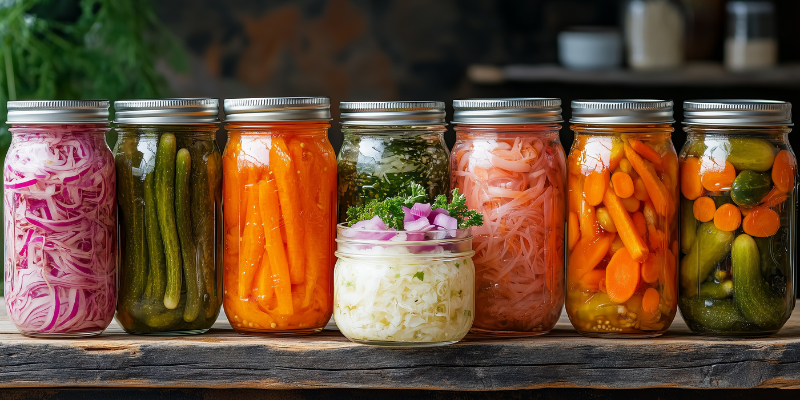
 Minaam Jamil
 Feb 16, 2026
Jump To Section
“The road to health is paved with good intestines.” – Sherrill Sellman
This might sound like a cheeky piece of advice, but it highlights a truth that modern science is finally catching up to: your digestion is the engine room of your entire well-being.
When that engine starts to sputter, marked by bloating, sluggishness, or that “heavy” feeling, it’s rarely about a lack of expensive supplements. More often, it’s about a missing connection to the living, active cultures that our ancestors relied on to keep their systems resilient.
This connection is found in the ancient art of alchemy, which we call fermentation. By reintroducing these cultured staples into your daily rhythm, you aren’t just eating; you’re gardening. You are planting the seeds for a diverse internal landscape that can process nutrients efficiently and keep your natural defenses sharp.
Understanding how to use these traditional foods is the first step in turning your digestive health from a source of frustration into a source of vitality.
Understanding the impact of fermented food and gut bacteria health doesn’t require a biology degree. Think of your gut as a busy construction site. To keep everything running smoothly, you need a dedicated “maintenance crew.”
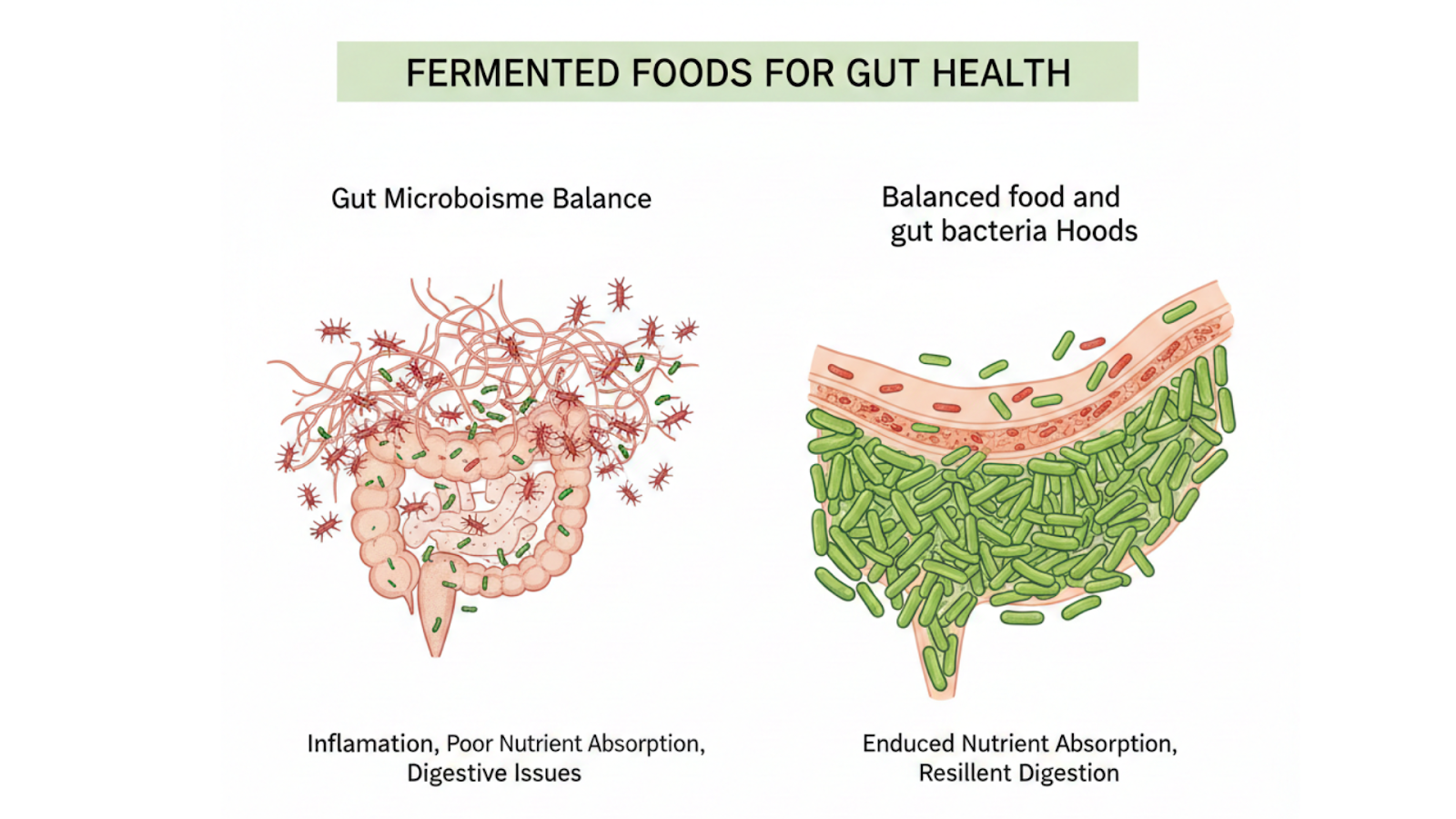
This is exactly the role that probiotics play within your digestive tract. These living cultures patrol the gut lining, ensuring it remains strong and intact, which is essential for proper nutrient absorption.
When you prioritize the best fermented foods to eat for gut health, you are essentially sending in reinforcements. These beneficial bacteria work to “crowd out” harmful, opportunistic strains by competing for space and resources.
This natural competition is vital because it helps reduce gut inflammation, the localized irritation that often leads to discomfort and long-term digestive issues.
By maintaining this bacterial balance, you ensure that your fermented foods for gut microbiome support are actually reaching the upper fermenting gut where they are needed most.
A well-maintained gut lining means fewer toxins enter your system and more vitamins and minerals make it into your bloodstream, turning your “maintenance crew” into a foundation for total body resilience.
Not every jar in the dairy or condiment aisle offers the same level of clinical utility. To truly support your fermented foods for gut microbiome goals, you must choose items that contain active, living organisms.
Here is a curated selection of the most effective staples for restoring equilibrium.
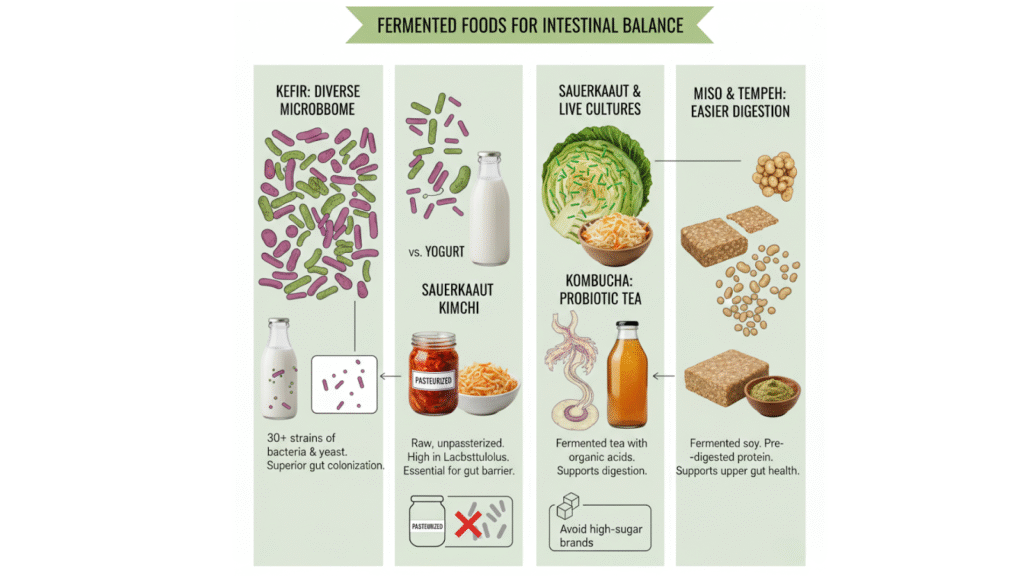
While yogurt is a great starting point, kefir is often considered the gold standard for fermented drinks for gut health. Unlike yogurt, which usually contains only a few strains of bacteria, kefir is fermented with “grains” that harbor a complex community of over 30 different strains of beneficial bacteria and yeasts. This superior diversity makes it far more effective at colonizing the gut and supporting a gut health reset meal plan.
Cabbage-based ferments like sauerkraut and kimchi are among the best fermented foods for gut health due to their high fiber content and lactic acid bacteria.
However, there is a catch: you must look for “raw” or “unpasteurized” versions found in the refrigerated section.
Canned or shelf-stable varieties have been heat-treated, which kills the live cultures your fermented stomach needs to thrive.
Kombucha is a tangy, sparkling tea that has gained popularity as a primary fermented drink for gut health. Many people drink it to Improve Gut Health Naturally, as it provides organic acids that can aid digestion. However, discernment is required when shopping.
Many commercial brands are loaded with added sugars to appeal to a mass market, which can inadvertently feed the harmful bacteria you’re trying to crowd out. Always check the label for low-sugar, traditionally brewed options to support your goal of better gut health naturally.
For those who find legumes or soy difficult to digest, miso and tempeh are change-makers. The fermentation process breaks down the anti-nutrients and complex proteins in soy, making them much easier on the upper fermenting gut.
It is one of the most common questions in the world of natural health: Is apple cider vinegar a fermented food? The short answer is yes.
Apple cider vinegar (ACV) is the result of a two-step fermentation process where yeast metabolizes the sugars, in apple juice to create alcohol, which is then converted into acetic acid by specific bacteria.
However, not all bottles offer the same value for your fermented foods for gut microbiome strategy. To gain any probiotic benefit, you must choose a version that is raw, unfiltered, and contains the “Mother.”
This cloudy sediment is a complex structure of beneficial bacteria and enzymes. Without it, the vinegar is simply an acidic liquid used for flavor, lacking the living cultures needed to support your internal ecosystem.
While ACV is excellent for stimulating stomach acid and preparing the upper fermenting gut for a meal, it requires careful handling.
Practitioner Tip: Because of its high acidity, never drink ACV straight. To protect the delicate mucosal lining of your esophagus and the enamel of your teeth, always dilute one tablespoon in at least eight ounces of water.
As any experienced gut health natural practitioner would advise, integrating ACV into your routine can be a brilliant way to reduce gut inflammation when used as a digestive tonic before meals, helping your body break down nutrients more efficiently.
While we often focus on the benefits of fermented foods for gut health and skin, there is a rare but significant condition where fermentation happens in the wrong place or at the wrong intensity.
This is often referred to as a “fermented gut” or, more clinically, Auto-Brewery Syndrome. In this scenario, an overgrowth of yeast in the upper fermenting gut begins to turn dietary carbohydrates and sugars into ethanol (alcohol) internally.
This imbalance can lead to symptoms that mirror intoxication, such as brain fog, dizziness, and extreme bloating, even if you haven’t touched a drink.
It is a clear signal that the microbial ecosystem is severely out of sync, with fungal strains dominating the beneficial bacteria that usually keep them in check.
If you suspect your system is over-fermenting in this way, the approach shifts from simply adding probiotics to strategically rebalancing the environment.
Practitioner Tip: If you are dealing with an overactive fermented gut, pivot toward a strictly low-carbohydrate approach. By reducing the “fuel” (sugars and starches), you starve the yeast.
Additionally, incorporating natural antifungal support, such as oregano oil or caprylic acid, can help clear the path for your fermented foods for gut microbiome recovery to actually take hold.
While artisanal jars of probiotics can be expensive, one of the best ways to secure the best fermented foods for gut health is to make them yourself.
Traditional countertop fermentation is incredibly cost-effective and allows you to control the quality of your ingredients, ensuring you are using the freshest organic fermented vegetables available.
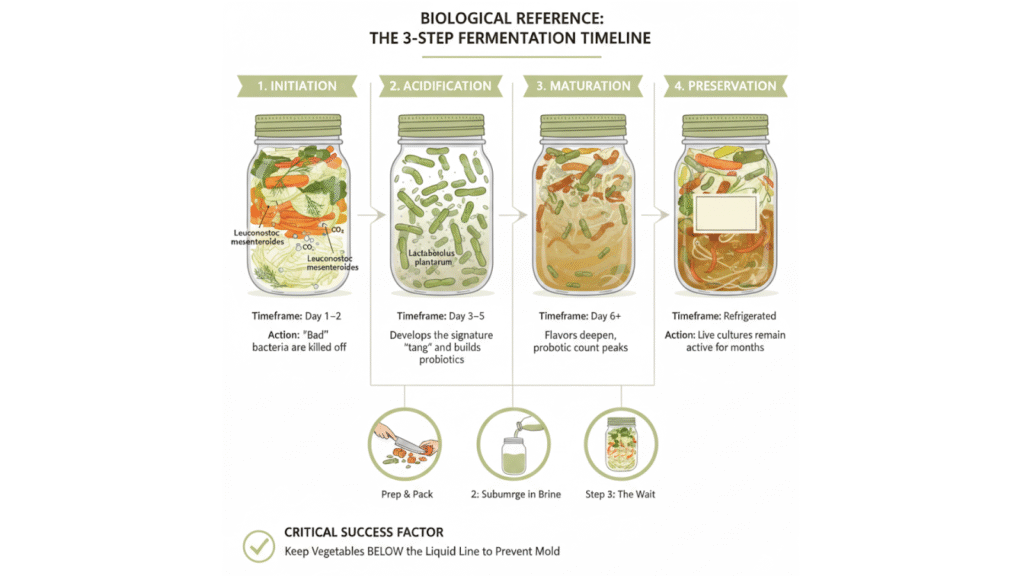
You don’t need fancy equipment to get started, just a clean glass jar, sea salt, and a little patience. The “Salt + Water + Time” method, also known as lacto-fermentation, is the foundation of almost every vegetable ferment.
This method works for almost any vegetable, from crunchy carrots and radishes to classic cabbage.
By mastering this simple rhythm, you can ensure your kitchen is always stocked with the best fermented foods to eat for gut health without breaking the bank.
It turns your home into a laboratory for wellness, providing a constant supply of “maintenance crew” members for your digestive tract.
Finding the right path toward digestive wellness often requires a blend of traditional wisdom and professional insight. At Natural Healing Haven, we believe that restoring your microbiome is a collaborative journey that combines the power of time-tested staples with modern lifestyle adjustments.
If you are looking for personalized strategies to integrate these powerful foods into your daily routine, consulting with a Holistic Nutritionist Calgary can provide the tailored guidance necessary to navigate your unique biological needs.
Whether you are managing specific digestive sensitivities or simply looking to optimize your nutrient absorption, professional support ensures that your transition to a culture-rich diet is both safe and sustainable.
Restoring your digestive health isn’t about chasing the latest fad; it’s about returning to a way of eating that honors your biology. By incorporating the best fermented foods for gut health into your daily rhythm, you are doing more than just alleviating temporary discomfort.
You are actively participating in a biological restoration, providing your “maintenance crew” with the tools they need to reduce gut inflammation, strengthen your internal defenses, and unlock the full nutritional potential of every meal you eat.
Whether you start by sipping a tangy fermented drink for gut health like kefir or by fermenting your own organic fermented vegetables on the kitchen counter, the key is consistency.
Your fermented foods for gut microbiome journey is a cumulative one; each small serving is a vote for a more resilient, energetic version of yourself. By making these traditional staples a non-negotiable part of your lifestyle, you ensure that your “road to health” is not just paved, but thriving.
Yes, fermented foods are essential because they provide a living source of beneficial bacteria that reinforce the intestinal barrier and improve immune function. By populating the gut with these cultures, you help reduce gut inflammation and create a resilient environment that naturally crowds out harmful pathogens.
Kefir is widely considered the best fermented drink for gut health because it contains a much higher density and diversity of probiotic strains compared to standard yogurt or kombucha. It acts as a powerful liquid supplement that supports both the upper fermenting gut and the lower intestinal tract with every sip.
The best fermented foods to eat for gut health variety are raw sauerkraut, kimchi, and traditional miso, as they provide unique bacterial strains along with prebiotic fiber. Rotating through a list of fermented foods for gut health ensures your microbiome receives the wide spectrum of microorganisms necessary for total systemic balance.
My name is Minaam Jamil, and I’m a natural health practitioner with a background in pharmacy, a heart rooted in holistic healing, and a journey shaped by many cultures. I was born in Pakistan, lived in the UK, Middle East, and now call Calgary home. Each place gifted me a different kind of wisdom scientific, spiritual, ancestral and together they’ve shaped how I care for others. I started The Natural Healing Haven because I know what it feels like to search for answers that conventional medicine can’t always provide. After years in pharmacy and becoming a mother, I felt called to explore gentler, more intuitive ways of healing ones that honor the body’s design, the soul’s needs, and the sacred connection between the two.


